Original Text & Translation
山海經·大荒東經 · Shanhaijing · Classic of the Great Wilds: East · Wikisource
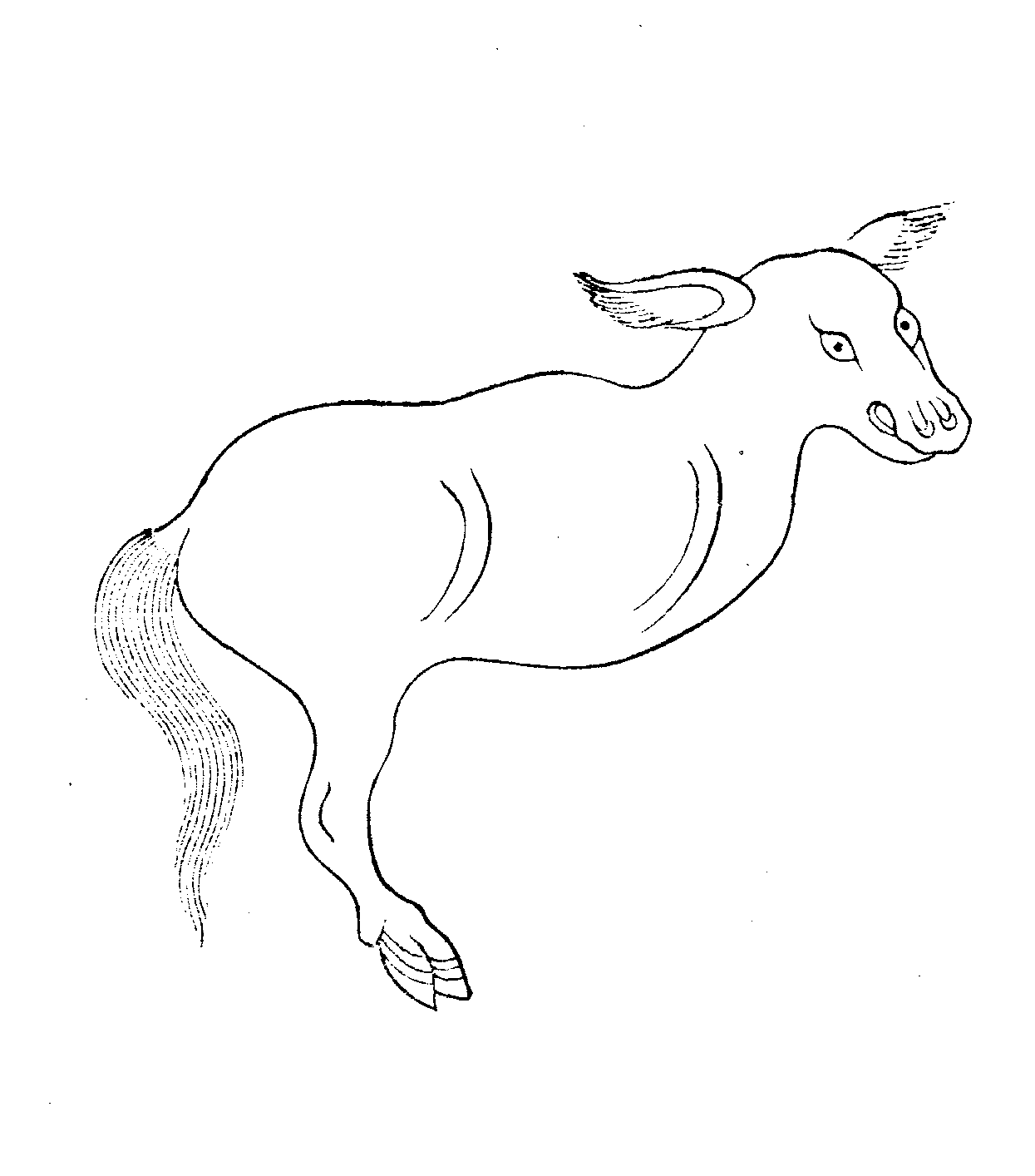
東海中有流波山,入海七千里。其上有獸,狀如牛,蒼身而無角,一足,出入水則必風雨,其光如日月,其聲如雷,其名曰夔。黃帝得之,以其皮為鼓,橛以雷獸之骨,聲聞五百里,以威天下。
In the Eastern Sea is Mount Liubo, seven thousand li out into the sea. On it lives a beast shaped like an ox, with a grey-blue body, no horns and a single leg. Whenever it goes into or out of the water there is wind and rain. It shines like the sun and moon and its voice is like thunder. Its name is Kui. The Yellow Emperor captured it and made a drum from its hide, beating it with the bone of the Thunder Beast. Its sound carried five hundred li and overawed all under heaven.
莊子·秋水 · Zhuangzi · Autumn Floods · Wikisource
夔憐蚿,蚿憐蛇,蛇憐風,風憐目,目憐心。夔謂蚿曰:「吾以一足趻踔而行,予无如矣。今子之使萬足,獨奈何?」
The Kui envies the millipede, the millipede envies the snake, the snake envies the wind, the wind envies the eye, and the eye envies the mind. The Kui said to the millipede: "I hop along on one leg, and nothing is simpler. Now you manage ten thousand legs — how on earth do you do it?"
Comparing the Books
Both books agree on the defining trait: a single leg. The Shanhaijing makes Kui a storm beast and war-drum; Zhuangzi uses it as the opening figure of a parable on natural spontaneity.